Managing Dry Eyes in Winter: Our Tips for Eye Comfort

Dry, itchy, irritated eyes? For many, that’s the reality of winter. Cold air, biting winds, and indoor heating all work against your eyes, and if you wear glasses or contact lenses, the discomfort can be even more noticeable.
But don’t worry, with the right habits and a few clever eye health choices, you can keep your eyes feeling clear and comfortable all season long.
Read on to find out our top tips for managing dry eyes this winter.
Dry Eyes: What Is It & Why Does It Happen in Winter?
Dry eyes occur when your eyes don’t produce enough tears or when the tears evaporate too quickly. That protective layer of moisture, called the tear film, is essential for comfort and clarity. When it breaks down, you’re left with soreness, redness, and that all-too-familiar gritty feeling.
In winter, the problem often gets worse. Cold outdoor air holds less moisture, while indoor heating dries things out even more. As a result, your eyes can’t keep up, especially if you wear contact lenses, which can affect tear flow and exposure.
Older adults are more likely to be affected, and so are people who spend long hours on screens. Add in wind, rain, and short days spent under artificial lights, and your eyes are facing a full seasonal assault.
Key Causes of Winter Dry Eye Symptoms
Winter introduces a unique mix of environmental and lifestyle triggers that aggravate dry eye symptoms.
Cold, dry air outdoors is one major culprit. Wind strips moisture from your eyes, and chilly air encourages faster tear evaporation.
Indoor heating makes things worse. Radiators, fires, and fan heaters reduce humidity levels in your home or office, drying out the air and your eyes along with it.
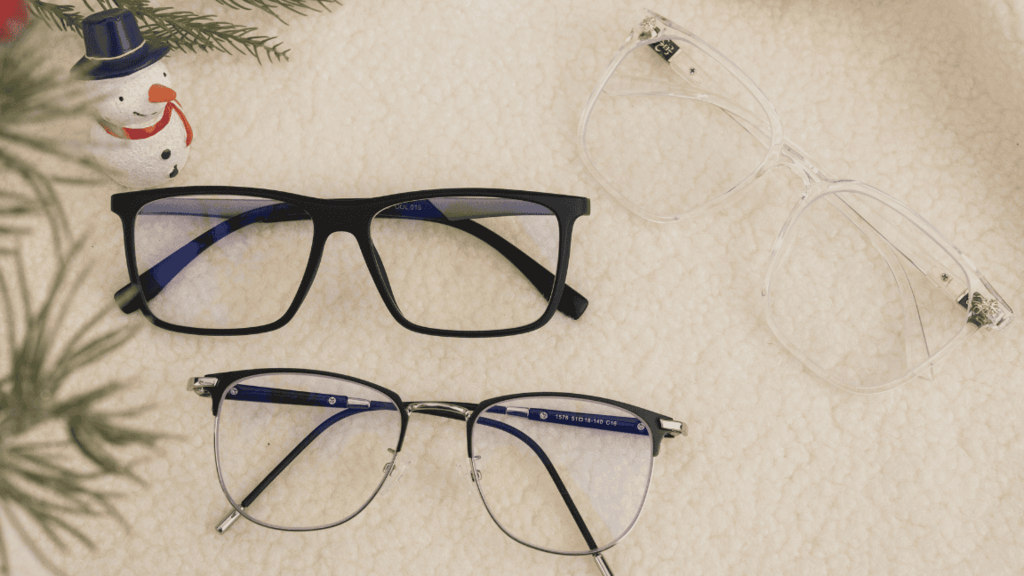
Screen time tends to go up in the colder months, as we spend more time indoors. Staring at screens lowers your blink rate, meaning tears aren’t spread properly across your eyes. Consider wearing blue light-blocking glasses if you work with screens or regularly use them throughout the day.
If you wear contact lenses, these can absorb moisture and make dryness more noticeable. And glasses without protective features won’t shield your eyes from wind or glare.
How to Treat Dry Eyes Effectively
The good news is that dry eyes can be managed with a few practical, everyday solutions.
Start with hydration. Drinking plenty of water and eating water-rich foods helps your body maintain tear production. Aim for small sips throughout the day, not just when you're thirsty.
Consider using a humidifier at home or in your workspace. It replaces moisture in dry, heated indoor air and creates a more eye-friendly environment.
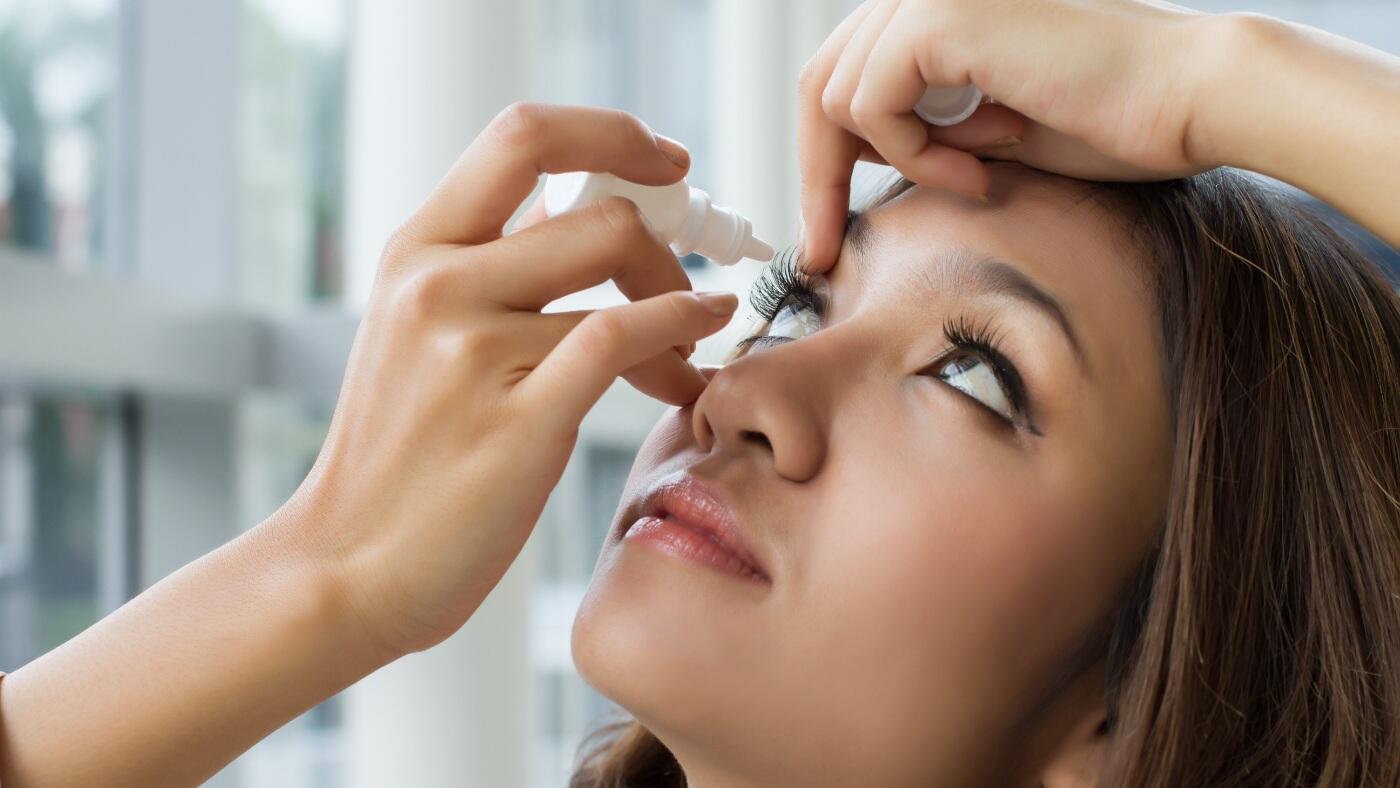
Lubricating eye drops or artificial tears can also help. Choose preservative-free options if you use them frequently, and always follow the usage instructions.
Try warm compresses on closed eyelids for 5 to 10 minutes at the end of the day. This helps unclog the oil glands in your eyelids, which play a key role in keeping your tears stable.
And don’t forget to protect your eyes from wind and air movement. Whether it's through wraparound glasses outdoors or avoiding direct heater drafts inside, shielding your eyes helps reduce irritation.
Choosing the Right Glasses for Dry Eyes
Wearing glasses isn’t just about seeing clearly; with the right features, they can be a helpful defence against dry eye symptoms.
Here’s what to look for when choosing glasses to fight dry eyes:
Wraparound Styles
Frames that curve around your face offer a barrier against wind, cold, and airborne irritants. This physical shield helps preserve your eye’s natural moisture and is particularly helpful for outdoor activities. Sports glasses often feature a wraparound design that works great for dry eyes.
Anti-Reflective Coatings
Winter light can be harsh, especially with low sun and reflective surfaces like snow or wet pavements. Anti-reflective (AR) coatings cut down on glare, reducing squinting and eye strain, both of which can exacerbate dryness.
Moisture-Repellent or Fog-Resistant Lenses
Lenses with hydrophobic or fog-resistant coatings prevent moisture build-up and temperature-related misting. This reduces the urge to remove your glasses or rub your eyes, both of which can increase irritation. You can also use anti-fog wipes for an extra layer of clarity and comfort throughout the day to make standard lenses more resistant to fogging.
UV and Wind Protection
UV rays don’t take a holiday in winter. Lenses with UV protection help guard against inflammation and dryness caused by sun exposure, while wind-resistant designs keep cold air from drying your tear film.
Glasses vs Contact Lenses
Contact lenses can make dry eyes worse by absorbing moisture and reducing oxygen flow to the eye surface, something winter air only intensifies. Switching to glasses, even part-time, gives your eyes a break and adds a layer of protection against cold air and wind. With the right lens features, glasses can do more than just correct your vision; they can actively support eye comfort.
Everyday Habits for Managing Dry Eyes
Sometimes, it's the small changes that make the biggest difference. Alongside the right glasses and treatments, try adopting these habits to keep your eyes feeling fresh all season long:
Blink more often, especially when using screens. Consciously blinking helps spread tears evenly.
Lower your screen slightly below eye level to prevent wide-eyed staring that exposes more of your eye surface.
Take regular screen breaks, use the 20-20-20 rule: every 20 minutes, look 20 feet away for 20 seconds.
Wear protective eyewear outdoors, even in cloudy weather. Wind and cold can affect your eyes just as much as the sun.
Avoid sitting directly in front of heaters or under air vents, and try not to rub your eyes, as this can worsen irritation.

When to Seek Professional Help For Dry Eyes
Not all cases of dry eyes are mild. If your symptoms persist despite home remedies, it’s time to see a professional.
Look out for signs such as ongoing redness, blurred vision, eye pain, or extreme light sensitivity. If these don’t improve or worsen over time, don’t wait, book an eye test.
Sometimes dry eyes are linked to underlying conditions like eyelid inflammation, blocked glands, or autoimmune issues. A qualified optician or optometrist can diagnose the cause and recommend targeted treatments.
After Seeing an Optician
If you're diagnosed with dry eye syndrome, that’s your cue to make some helpful adjustments, especially with your eyewear.
Start with your prescription. An up-to-date prescription ensures you're not straining your eyes unnecessarily, which can lead to reduced blinking and added dryness.
Talk to your optician about frame and lens options suited to dry eyes. Wraparounds, anti-reflective coatings, and UV protection all work together to reduce external irritants.
They may also recommend switching from contacts to glasses, at least part-time, or choosing lenses designed for dry-eye wear. Either way, having glasses tailored to your condition is a smart step toward long-term comfort.
Finally, keep up the good habits at home: use your humidifier, stay hydrated, and give your eyes regular screen breaks. Combine this with supportive eyewear, and winter doesn’t stand a chance.
Final Thoughts
Dry eyes in winter are annoying, but they don’t have to be inevitable. From staying hydrated and adjusting your screen use to choosing the right glasses, you’ve got plenty of tools at your disposal.
Browse our glasses selection today to find frames that not only suit your style but also support your eye comfort through every season. With protective coatings, wraparound designs, and great value, you can keep your eyes feeling fresh and looking fantastic, all winter long.