A light 20% yellow tint helps smooth the jump between dark roads and bright headlamps while keeping transmission high for hazard spotting. In our lenses, the tint is precisely balanced to reduce the apparent brightness of modern headlights yet still meet UK Category 0 limits for night driving. Because the base material maintains colour fidelity in low light, you can recognise traffic lights and signals accurately.
Night Driving Glasses in the UK: Myths, Risks, and a Smarter Way to See After Dark

Driving after dark brings unique challenges.
Low lighting, contrast loss, and glaring headlights can make even familiar roads feel unfamiliar. With early winter evenings and often wet, shiny surfaces, many drivers wonder if a special pair of “night driving glasses” could be the solution. Between the marketing claims and the real science, it can be difficult to know what actually helps.
We are introducing NightDrive Lenses that pair a legal 20% yellow tint with a blue and green anti-glare finish that also blocks a portion of blue light. The lenses are cast in a specialised material that filters light without distorting colour definition in low light, so traffic signals and brake lights remain clear. The tint level meets strict UK Category 0 transmission values for night use, and the final hard multi-coating has a specialist blue hue that is scratch-resistant and reduces distracting reflections from modern headlights.
This article dispels the myths and highlights what genuinely works to help you drive (and see) with confidence.
Why Night Driving Feels More Difficult
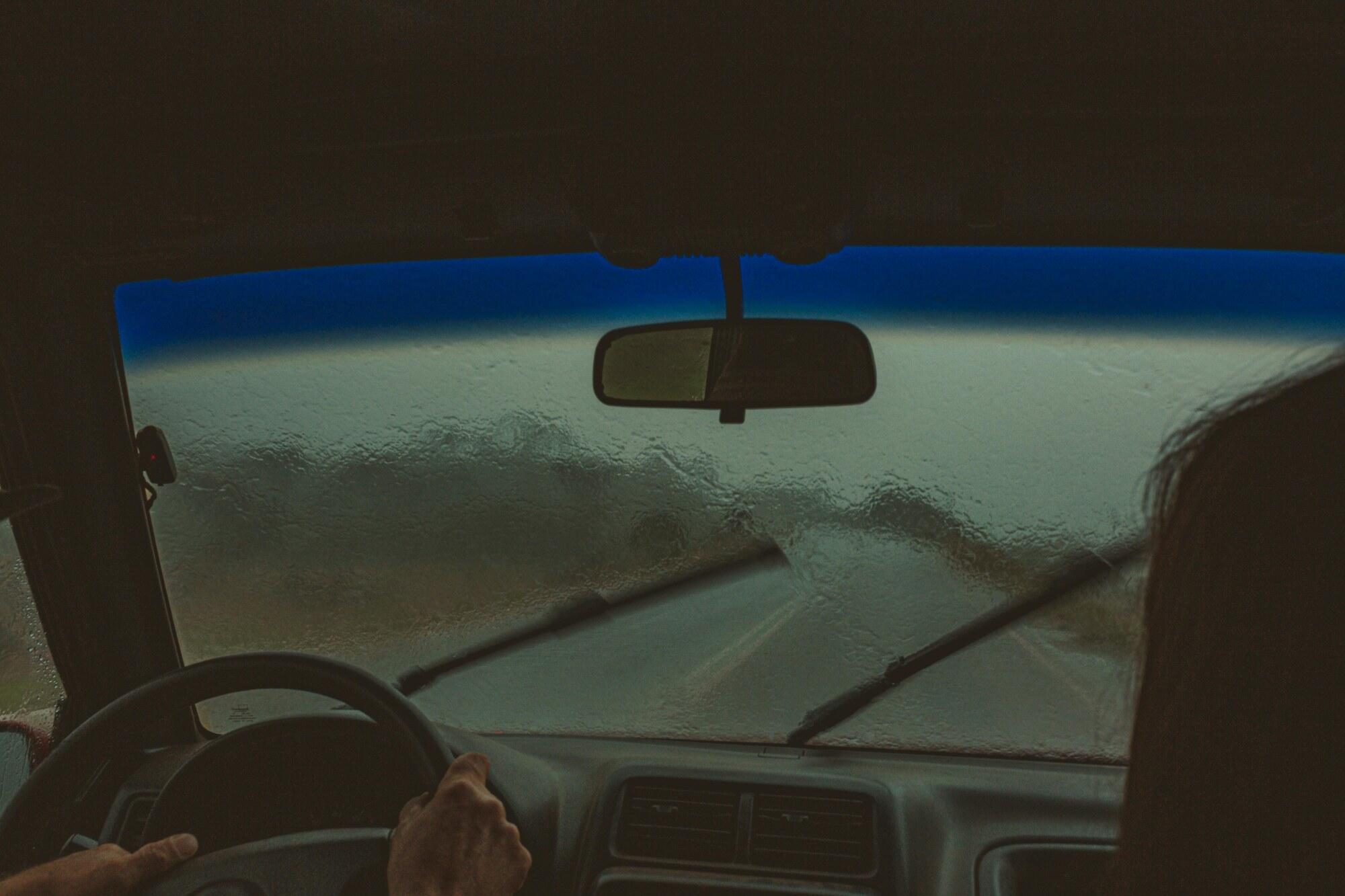
When the sun goes down, several visual factors combine to make driving harder.
Reduced light and contrast
Our eyes have a harder time identifying edges, dangers, and road signs in low ambient light. Subtle risks become more difficult to detect as the contrast between objects and the road surface decreases.
Glare from oncoming headlights
The stronger and richer blue light from modern car headlights (LEDs, HIDs) scatters more in the eye and can cause dazzling glare. Glare significantly reduces visual performance, particularly for older drivers.
Age‑related vision changes
As we age, the pupil doesn’t dilate as widely in dim light, the lens may become yellow or cloudier, and sensitivity to glare increases. One study titled ‘The impact of uncorrected astigmatism on night driving performance’ found that correcting even moderate astigmatism improved night‑time driving performance.
These challenges are exactly why lens design matters. The answer is not a heavy, dark yellow filter. It is a light tint combined with advanced anti-glare technology that preserves brightness.
The Rise of Night Driving Glasses in the UK
What are night driving glasses?
These are typically glasses designed to reduce glare and improve visibility when driving at night. Many feature yellow or amber-tinted lenses, with some including an anti-reflective coating.
Why do night driving glasses have a yellow tint?
Do yellow-tinted lenses actually help at night?
Traditional dark yellow lenses can cut too much light just when you need every bit of brightness, which may dull detail and slow hazard detection. They also do little to address scatter and reflections from modern LED and HID headlights, so the scene can simply look dimmer.
Our Night Driving Lenses take a different approach, combining a light, legal 20% yellow tint that preserves transmission with a blue and green anti-glare coating that also blocks blue light to calm haloing and reflections without over-darkening your view.
The Real Risks of Night Driving Without Proper Eyewear
Increased accident risk
Driving with sub‑optimal vision at night increases the risk of missing hazards or reacting too late. The glare from on‑coming headlights and road lighting has been shown to significantly impact vision and night driving performance, as found in this study, “Nighttime driving: visual, lighting and visibility challenges”.
Eye strain and fatigue
When your eyes struggle (with poor contrast and glare), you blink more, squint, and fatigue sooner. Fatigue can impair attention, slow reaction times and increase risk.
Misleading comfort can be dangerous
If you use yellow-tinted glasses that feel better but don’t actually improve hazard detection, you might drive with less caution, speed up, and drive more aggressively. You may trust your vision more than you should.
Choosing lenses that both preserve brightness and tame reflections can help address these risks. That is the design brief behind our new NightDrive Lenses.
What Helps Improve Night Vision for Driving
Up-to-date prescription
Make sure your prescription, including any astigmatism correction, is up to date for driving distances.
High Transmission Lenses With Multi-anti-reflective Coatings
Choose lenses that stay bright and minimise reflections. Our NightDrive Lenses combine a controlled 20% yellow tint that meets UK Category 0 with a hard multi-coating in a specialist blue hue. It is scratch-resistant for daily use and provides anti-glare benefits that counteract a proportion of the discomfort from modern headlights, all while the lens material maintains colour definition in low light.
Clean lenses and windscreens
Dirt, grease, or marks on your lenses or windscreen scatter light and amplify glare. Clean both inside and out. Also, adjust side and rear‑view mirrors to minimise blinding reflections.
How to Choose Glasses for Night Driving
What features to look for
High transmission, controlled tint
A precise 20% yellow tint that meets UK Category 0 values, designed to temper headlight intensity without dimming the scene.Colour fidelity in low light
Lens material that preserves colour definition for accurate recognition of traffic lights and signals.Advanced anti-glare finish
Hard multi-coating with a specialist blue hue that is scratch-resistant and reduces reflections from LED and HID headlights.
Avoiding marketing gimmicks
Skip heavy amber or dark yellow filters that noticeably dim your view. Look for lenses that prioritise brightness and reflection control, not just colour.
Night Driving Tips Beyond Glasses
Adjust your car’s lighting
Ensure your headlights are properly aligned, clean and working well. You can check your vehicle’s headlight aim at an MOT or service. Both you and other drivers may experience glare if your headlights are dirty or misaligned.
Reduce speed and keep your distance
Compared to daytime, night vision is always a little worse. Allow more stopping distance, slow down when visibility is reduced, and avoid high beams when there are oncoming cars.
Schedule regular eye tests
We advise regular eye examinations. You may have issues beyond something glasses can fix, such as glare sensitivity, cataracts, refractive changes, or dry eyes. You should discuss this with your optometrist.
Pairing these habits with high transmission, anti-glare treated lenses creates a clear, comfortable setup for night journeys.
Final Thoughts
There is no magic in a dark yellow lens at night. Real results come from lenses that keep the scene bright, manage reflections, and preserve colour definition. That is the principle behind our NightDrive Lenses. They use a controlled 20% yellow tint that meets UK Category 0, a specialised material that maintains colour fidelity for clear traffic signal recognition, and a hard multi-coating with a blue hue that is scratch-resistant and provides anti-glare benefits.
Ready to try them with your favourite frames? First, choose your style, then choose either Distance or Bifocals (Distance/Intermediate)*, then select Night Driving Lenses during checkout.
*Available with Silver Pack or above with Distance lenses or with Gold+ Pack with Bifocal lenses.