Presbyopia - Why Vision Deteriorates With Age
As we age, many things change, and our eyesight is no exception.
You may have noticed that reading a menu or checking your phone gets harder, especially without squinting. This gradual loss of the ability to focus on nearby objects is called presbyopia. It’s a common part of ageing and affects most people in their 40s or 50s.

In fact, research shows that about 26% of the world's population has presbyopia.
What is Presbyopia?
Presbyopia is a natural condition where the eye's ability to focus on close objects slowly weakens. The term comes from two Greek words, “Presbys” meaning “Old” and “Opia” meaning “Vision”.
So, basically, Old Vision.
Unlike other eye conditions like nearsightedness (myopia) or farsightedness (hyperopia), presbyopia is not caused by the shape of the eye. Instead, it occurs due to changes in the lens inside the eye. The lens becomes less flexible, making it harder to focus on things that are close, like books, phones, or even faces.
Why Can Presbyopia Happen?
The lens of your eye is soft and flexible when you’re young. It can change shape easily, helping you to effortlessly shift your focus from near objects to faraway ones. This ability is called "accommodation."
But as you age, the lens gradually becomes stiffer. The muscles around the lens weaken as well. These changes reduce your ability to focus on nearby objects.
Think of the lens as a rubber band. When it’s new, it stretches easily. But over time, it loses its elasticity. That’s what happens to the lens in your eye as you age.
The result is presbyopia. By the time you reach your mid-40s or early 50s, you’ll likely start to notice the effects. You might find yourself holding things farther away to see them clearly or needing better light to read small print. These can be the first signs of presbyopia.
Symptoms of Presbyopia
- Blurry vision when reading or doing close work: You might notice you can no longer read the fine print or see small details up close.
- Eye strain or headaches: Straining your eyes to focus can lead to discomfort or headaches, especially after reading for extended periods.
- Needing brighter light to see clearly: You may find yourself turning on lights more often to read or work on tasks that require focus.
- Holding objects farther away: A common sign is the “long-arm syndrome”. This refers to the need for people to hold books, phones, or other objects at arm’s length to see them better.
How is Presbyopia Diagnosed?
Diagnosing presbyopia is simple. If you notice changes in your vision, particularly with close-up tasks, it’s time for an eye exam. Your optician will conduct a basic vision test, checking your ability to focus at different distances. They may also use special tools to measure how well your eyes adjust to close objects.
If presbyopia is the issue, your optician will give you a prescription to correct this.
Treatments for Presbyopia
Presbyopia can’t be reversed. But it is easy to manage. Here are the most common corrections available to help restore vision clarity.
Single vision glasses
Single-vision lenses offer the easiest solution for presbyopia. If you don’t have other vision issues, a simple pair of single-vision glasses that are tailored to your short-distance prescription can help you focus on close objects.
You can get your single-vision prescription from your optician. Any of our frames at Glasses2You can be fitted with prescription single-vision lenses during checkout. Visit our single-vision lenses page for more.
Some of our top picks
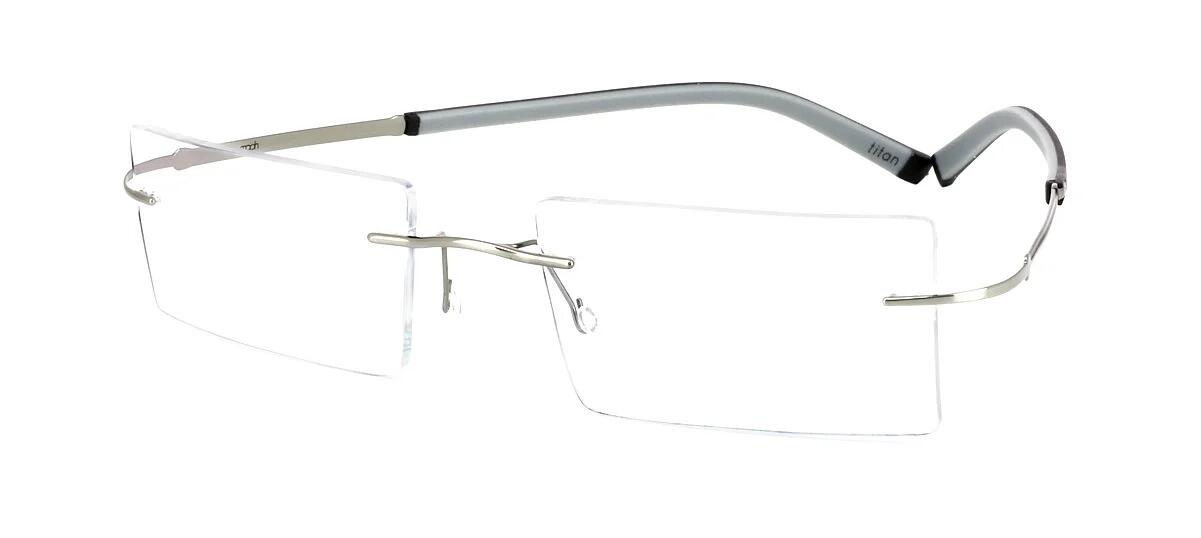
Marchena - Silver & Grey – Titanium
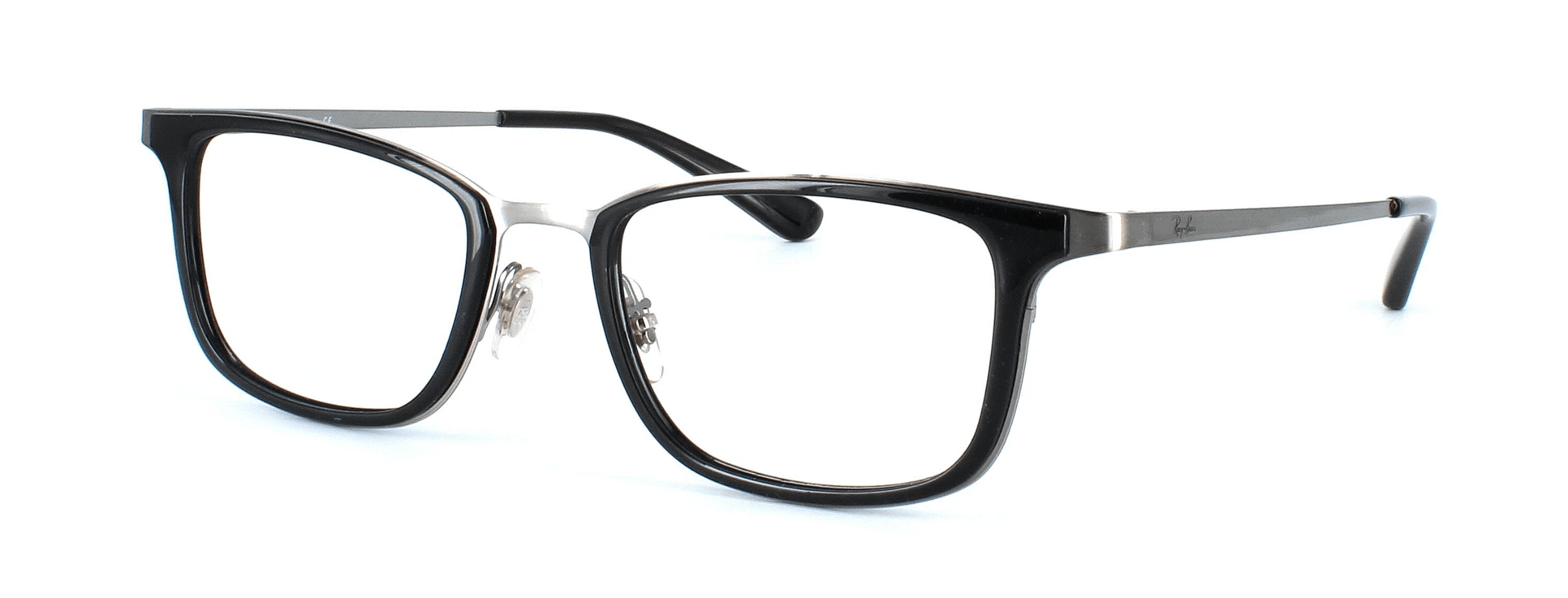
Ray-Ban 6373 - Shiny Black & Silver
Bifocal or progressive lenses
If you already wear glasses for nearsightedness or farsightedness, your optician may recommend, or you may want to try bifocal or varifocal lenses. Bifocals have two distinct sections, one for close-up vision and one for distance.
Varifocal lenses, on the other hand, offer a gradual transition between different vision zones, making them a more seamless option for many people who require two prescriptions.
Contact lenses
There are contact lenses specially designed for people with presbyopia. These lenses come in two main types:
- Multifocal contacts: Similar to varifocal lenses - these allow you to see at various distances without the need for glasses.
- Monovision contacts: Monovision contacts use one contact lens for distance vision and the other for near vision. Your brain adapts to using both eyes together, but it can take some time to adjust.
Surgery
As an alternative treatment, surgery can help to eliminate the need for corrective lenses. Surgery is available for the treatment of presbyopia by using LASIK or corneal inlays; however, it is not suitable for everyone.

Can You Prevent Presbyopia?
Unfortunately, presbyopia is a natural part of ageing and can’t be avoided, but its effects can be managed easily.
Protecting your overall eye health is an important way of maintaining higher-quality vision for longer, which may slow the effects of age-related vision loss.
Let’s look at some tips for maintaining healthy eyes:
- Get regular eye exams: Regular check-ups allow your doctor to catch any changes in your vision early and provide appropriate treatment.
- Eat a balanced diet: Foods high in vitamins A, C, and E, including omega-3 fatty acids, are great for your vision health. Carrots, leafy greens, and fish are excellent choices. Read our “Best Foods For Healthy Eyes” blog article to discover more great eye-friendly foods.
- Wear sunglasses: Protecting your eyes from harmful UV rays with sunglasses can help avoid damage to the lens and reduce the risk of other eye conditions.
- Rest your eyes: If you spend a lot of time reading or staring at a screen, give your eyes regular breaks. The 20-20-20 rule is a great guide: Every 20 minutes, look at something 20 feet away for 20 seconds.
Choosing the Right Glasses for Presbyopia
Finding the right glasses for presbyopia can make a big difference in your daily life. The good news is that there are thousands of options depending on your preferences.
If you only have trouble with close-up tasks, simple single-vision glasses may be enough. For those who also need help with distance vision, bifocal or varifocal lenses are a better choice.
Glasses2You offers thousands of frame styles, all available with a lens type of your choice - perfect to treat the effects of presbyopia. Visit our glasses catalogue to find your next pair today!