
Regularly assessing your eye health is recommended to detect eyesight changes as early as possible. Visiting an optician is the primary means of obtaining an eye test in the UK.
Most healthy adults should book an appointment with an optician every two years, but it could be necessary to visit more frequently with age, or if recommended by an optician. However, if you experience changes in your vision or problems with your eyes, it is important to book an appointment as soon as possible.
You should consider seeing your optician if you experience any of the following:
Changes in Vision
If you notice sudden or gradual changes in your sight, such as blurriness, double vision, or difficulty focusing, it is important to schedule an appointment with your optician. These shifts could indicate anything from the need for a new prescription to more serious conditions like cataracts or glaucoma.
Frequent Headaches
Frequent headaches, especially after reading, working on a computer, or watching TV, can signal excessive eye strain or underlying vision problems. An optician will be able to assess whether you need a corrective prescription or if other factors are causing your headaches.
Eye Strain or Fatigue
Eyes often become strained or fatigued after long periods of screen use, however, if you find your eyes are excessively strained or fatigued a visit to your optician could help. They will be able to provide you with advice and support to improve eye comfort. This could include the use of blue light-blocking glasses.
Squinting to See Clearly
If you find yourself frequently squinting to read, drive, or view distant objects, it’s a sign that your current prescription may need updating, or that you now require glasses for the first time. Squinting can put extra strain on your eyes, causing your vision to deteriorate faster, so it is important to visit an optician to avoid more permanent vision loss.
Light Sensitivity
Increased sensitivity to light (photophobia) can be linked to several eye conditions, such as dry eyes or infections. But it can also be a sign of more serious issues, like corneal problems or uveitis, which should be assessed by an optician.
Difficulty Seeing at Night
If night driving or seeing in dim lighting becomes more challenging, it could indicate a vision problem such as myopia (nearsightedness), astigmatism, or cataracts. An eye exam with an optician will allow them to diagnose the cause, and provide you with a corrective prescription or further steps to improve your nighttime vision.
Eye Pain or Discomfort
Eye pain, redness, or irritation shouldn’t be ignored, especially if it's accompanied by swelling or discharge. Whether it’s due to an infection, a foreign object, or an underlying condition, your optician can identify the cause and recommend treatment.
Family History of Eye Conditions
If you have a family history of eye conditions such as glaucoma, macular degeneration, or diabetic retinopathy, it’s crucial to schedule regular eye exams with your optician. Early detection can help prevent or delay the progression of these conditions. You will often be able to access a free eye exam if you have an immediate family member who suffers from degenerative eye conditions such as glaucoma.
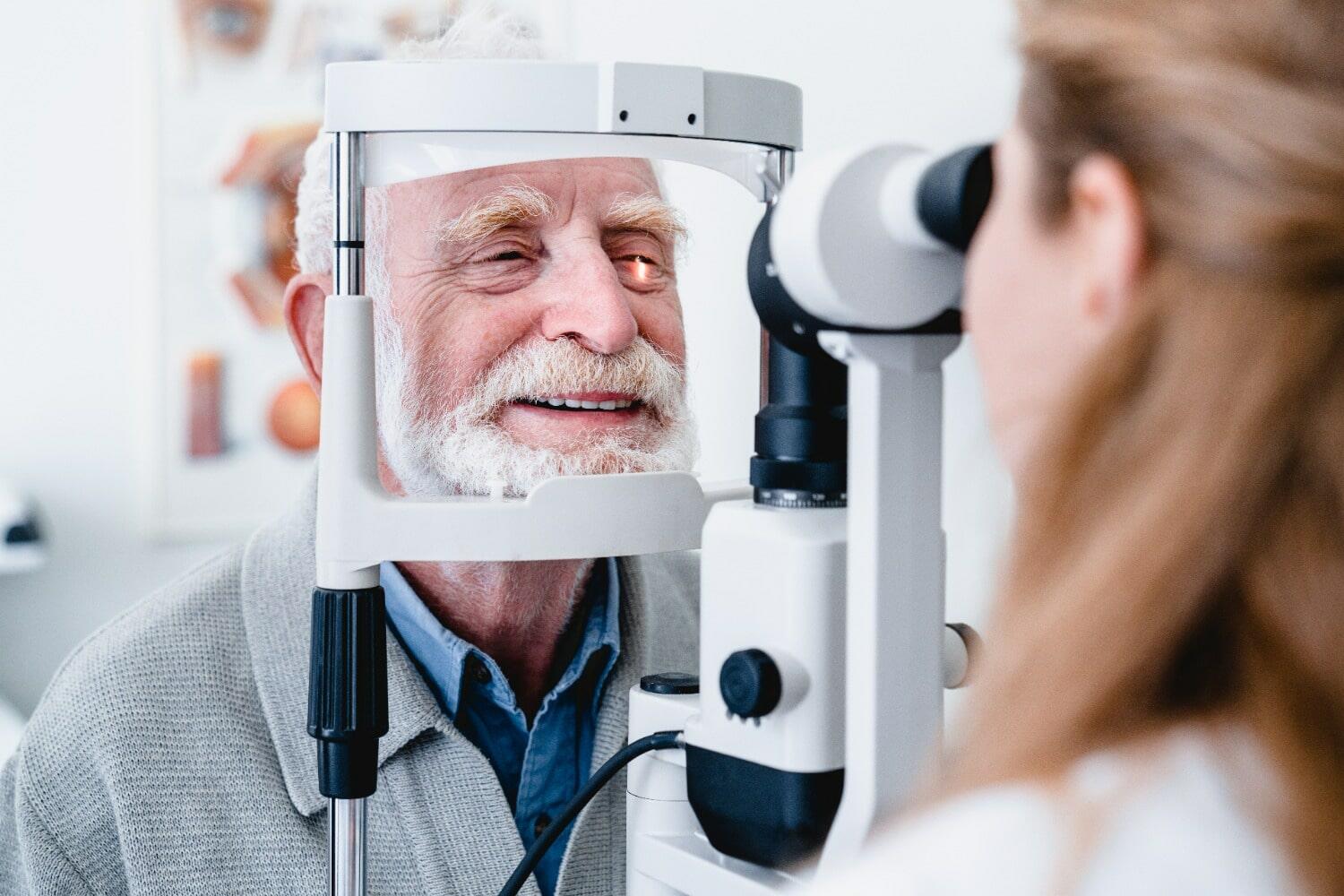
Booking a Regular Check-Up
Even if you haven’t noticed any symptoms, routine eye exams are important for monitoring your eye health. Most adults should see an optician every two years, while children, seniors, or those with existing conditions may need more frequent check-ups- your optician will usually recommend the interval between visits based on your personal eye health and risk.
What to Do Once You Have Your Prescription
If you are given a prescription from your optician, you can purchase glasses online from Glasses2You. We have thousands of frames to choose from, each available with a lens type of your choice, including bifocal and varifocal lenses.
When purchasing your glasses from us, you will be able to enter or send us a copy of your prescription during the checkout process. We then take care of the rest and your glasses will be delivered right to your door.
When to See Your Optician FAQs
Find the answers to our most popular questions regarding when to visit an optician below, if you can't find what you are looking for, visit our FAQs page, or get in touch with our team.
What can an optician tell you?
Examining the inside of your eye is crucial for ensuring overall eye health. The eye is unique in that it's the only place in the body where blood vessels can be directly observed, allowing your optician to spot signs of high blood pressure or circulation issues.
Additionally, your optician can detect the impact of other health conditions like glaucoma, diabetes, or any unusual reactions to medications.
Is optician funding available?
Yes! You may qualify for an NHS-funded eye test if you meet certain conditions, these include:
- Being under the age of 16
- Aged 16-18 and in full-time education
- Aged 60 or older
- Diagnosed with diabetes or glaucoma
- Registered as partially sighted or blind
What happens after an eye test?
After your eye test, your optician is legally required to provide you with your optical prescription or a statement if you've been referred for further tests.
You are under no obligation to purchase glasses at the place where your eye test was conducted.
Discover More Eye Health Topics
Learn more about keeping your eyes healthy with our range of helpful articles. Find advice on eye conditions, vision care tips, and ways to protect your sight every day.


